


Sports Goggles
Stay focused through quick turns, sudden stops and fast-paced play with sports goggles designed to remain securely positioned during movement. Explore close-fitting wrap around goggles with adjustable head straps, cushioned contact areas and wide lens shapes for a comfortable view of the action.
Different activities place different demands on your equipment. Compare frame dimensions, strap adjustment, ventilation, lens colour and recommended use to find a model that suits your sport and playing environment.
A good pair should feel stable without pressing too firmly against the face. Review the individual product information carefully, as fit, coverage, lens materials and intended activities vary between models.
- Color Blue Remove This Item


Free US & CANADA Shipping

30-day Money Back Guarantee
-
4.8


ANSI & FDA Certified


-

 Creston Prescription Sports Goggles Blue -- Baseball, Soccer, Basketball and Football GlassesSpecial Price $39.95 Regular Price $150.00
 -
 Alberta Clear Blue Prescription Sports Goggles - Interchangeable temple arms and headband - Soccer, Basketball, BaseballSpecial Price $39.95 Regular Price $110.00
 -
 Sierra Prescription Sports Goggles Blue - Interchangeable temple arms and headband - Soccer, Basketball, Baseball GlassesSpecial Price $39.95 Regular Price $110.00
 -
 Sierra Prescription Sports Goggles Green - Interchangeable temple arms and headband - Soccer, Basketball, Baseball GlassesSpecial Price $39.95 Regular Price $110.00
 -
 Atlas Prescription Sports Goggles Blue - Interchangeable temple arms and headband - Soccer, Basketball, Baseball GlassesSpecial Price $39.95 Regular Price $110.00
 -
 Alberta Blue Prescription Sports Goggles - Interchangeable temple arms and headband - Soccer, Basketball, BaseballSpecial Price $39.95 Regular Price $110.00
 -
 Berkley Rx Baseball Basketball Football Goggle Blue - Unisex Prescription Sports GlassesSpecial Price $29.95 Regular Price $150.00
 -
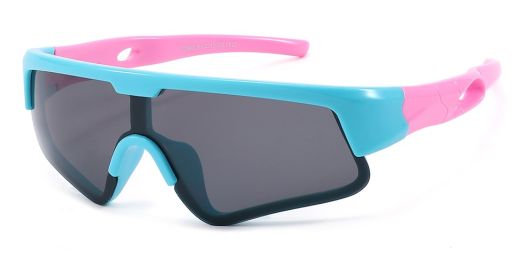 Liam Blue Pink Prescription Sports Goggles For Kids - Bendable Impact Resistant - Youth Soccer, Football, Basketball, Baseball GlassesSpecial Price $39.95 Regular Price $110.00
 -
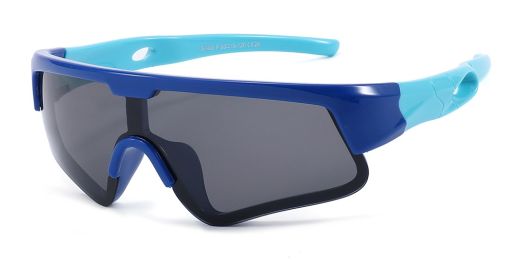 Liam Blue Prescription Sports Goggles For Kids - Bendable Impact Resistant - Youth Soccer, Football, Basketball, Baseball GlassesSpecial Price $39.95 Regular Price $110.00
 -
 Elias Blue Prescription Sports Goggles For Kids - Soft Gel Padding - Soccer, Football, Basketball, BaseballSpecial Price $39.95 Regular Price $110.00


Built for Movement, Not Constant Adjustment
The last thing you want during a match is to stop and reposition your equipment. Sports goggles use a head strap to help keep the frame in place as you run, jump, turn or change direction.
That secure design can be useful during activities where an ordinary open-temple frame may move too easily. The strap should hold the frame steadily without pulling it tightly against the face or creating uncomfortable pressure around the nose and eye area.
A suitable pair should allow you to concentrate on the game rather than the fit. When correctly adjusted, the frame should remain level, maintain a clear viewing position and move naturally with you.
Start With the Sport You Play
Not every model is intended for every activity. Begin with the type of movement involved and then compare the features offered by each product.
Court activities
Basketball, racquetball and similar activities involve frequent changes in direction, upward viewing and close movement around other players.
Look for a stable strap, an open field of view and a frame that does not move when you look quickly from side to side. The surrounding padding should feel even against the face without obstructing peripheral awareness.
Field activities
Soccer, baseball and other field activities can involve running, bending and tracking movement across a large playing area.
Choose a frame that remains level during repeated motion and provides comfortable forward and side vision. Check whether the product is specifically recommended for the activity rather than relying on its appearance alone.
Youth training and school sport
For younger players, fit is especially important because an oversized frame may shift while a small frame can create unnecessary pressure.
Look for suitable age or size guidance, a strap with enough adjustment and dimensions that match the wearer’s face. The model should also be checked regularly as the wearer grows.
Multi-sport use
Some models may work for more than one activity, but “multi-sport” should not be treated as universal suitability.
Compare the manufacturer’s recommended uses, frame construction and documented performance for each activity. A product suitable for general training may not be the correct choice for a faster or more contact-heavy game.
The 60-Second Fit Check
A quick fit test can reveal whether a model is likely to remain comfortable during play.
1. Centre the frame
Position the frame so it sits evenly around the eye area. It should not lean to one side or rest noticeably higher over one eye.
2. Adjust the strap gradually
Tighten the strap only enough to keep the frame stable. Pulling it too tightly can cause facial pressure, headaches or discomfort during longer sessions.
3. Check the bridge
The bridge area should feel supported without pinching. The frame should not slide downward when you look toward the floor.
4. Look in every direction
Look forward, downward and from side to side. The frame and lens edges should not unnecessarily block your view.
5. Move as you would during play
Turn your head, bend forward and make a few controlled side-to-side movements. The frame should stay reasonably steady without pressing harder against one area of the face.
6. Add your other equipment
Repeat the test while wearing any helmet, headguard or other equipment used during the activity. The complete setup should remain comfortable and properly positioned.
Understanding Frame Size
A strap provides adjustment, but it cannot make every frame fit every face. The width, depth and shape of the frame still need to suit the wearer.
Review these details before ordering:
- Overall frame width
- Lens width and height
- Bridge shape
- Internal frame depth
- Strap adjustment range
- Frame weight
- Recommended age or fit range
- Distance between the lens and face
A frame that is too wide may shift from side to side. One that is too narrow can press around the temples or outer eye area.
General labels such as youth, adult, small or large are useful starting points, but actual measurements provide a more reliable comparison.
Strap Design and Stability
The strap is one of the defining features of sports goggles. It should distribute tension evenly around the head and remain in position during movement.
Check whether the strap:
- Offers enough length adjustment
- Can be tightened without twisting
- Sits comfortably above the ears
- Remains stable during repeated movement
- Can be removed for cleaning or replacement
- Works with helmets or head protection
- Uses secure attachment points
A wider strap may distribute pressure across a larger area, while a narrower strap can feel lighter. Neither option is automatically better; comfort depends on the frame, adjustment range and wearer.
The strap should also be inspected regularly. Stretching, fraying or weakened attachment points can affect stability.
Facial Contact and Padding
Some models use soft padding or cushioning around the inside of the frame. This can improve comfort by reducing direct contact between harder frame materials and the face.
Padding should sit evenly without creating gaps or concentrating pressure in one location. It should not touch the eyelashes, press heavily against the cheeks or hold the lens uncomfortably close to the eyes.
Where removable padding is offered, check how it should be cleaned and whether replacements are available. Worn or damaged padding may change both comfort and fit.
A cushioned appearance does not confirm that the product creates a complete seal. Check the individual documentation rather than assuming the model is suitable for dust, liquid or specialist hazards.
Lens Shape and Field of View
A broad lens area can help maintain an open view while following movement across a court or field. However, the usable field of view also depends on frame thickness, fit and the position of the lens in front of the eyes.
When comparing products, consider:
- Forward visibility
- Side awareness
- Lower viewing area
- Frame thickness around the lens
- Distance between the lens and eyes
- Lens curvature
- Distortion near the outer edges
A larger lens is not always more comfortable. An oversized frame may sit against the cheeks or feel heavy, while a compact design may fit more naturally.
Product pages should include clear front, side and angled photographs so shoppers can understand the frame depth and viewing area.
Clear and Tinted Lens Options
Choose the lens according to the playing environment rather than appearance alone.
Clear lenses
Clear lenses are practical for indoor courts, evening sessions and environments where preserving available light is important.
Light tints
A lighter tint may help in moderately bright conditions without reducing visibility as much as a dark outdoor lens. Availability varies by model.
Dark outdoor tints
A darker tint may be useful for suitable outdoor activities in strong daylight. It may be too dark for indoor play, heavily shaded areas or late-evening use.
Coloured lenses
Amber, yellow and other colours alter how the environment appears. They may change contrast and colour recognition, so their suitability depends on the activity and lighting.
Mirror finishes
A mirror finish changes the lens appearance and may reduce some visible brightness. It does not automatically confirm polarization or a particular level of performance.
Each product page should clearly identify the lens colour supplied rather than relying on photographs, which can look different depending on lighting and screen settings.
Wearing Sports Goggles With a Helmet
The frame, strap and helmet should work together without pushing one another out of position.
Before playing, check whether:
- The frame fits inside the helmet opening
- The helmet presses against the top or sides of the frame
- The strap can sit securely beneath or around the helmet
- The helmet changes the viewing angle
- Pressure develops around the temples or cheeks
- Either item moves when you turn your head
- The complete setup restricts your view
Do not assume compatibility based only on product size. Helmet shapes and internal padding differ, so the exact combination should be tested before use.
Care After Training or Competition
Regular cleaning helps maintain visibility and comfort.
After use:
- Remove loose dust before wiping the lens.
- Rinse with clean water when appropriate.
- Use a suitable lens-cleaning solution.
- Dry with a clean microfiber cloth.
- Wipe the frame and strap.
- Allow all components to dry before storage.
- Keep the product in a protective case.
Avoid abrasive materials, paper towels and unsuitable household cleaners. They may scratch the lens or damage surface treatments.
Check the frame, strap and attachment points while cleaning. Small signs of damage are easier to notice before the next session than during play.
What Should Be Included on This Page?
This category should contain products with a genuine sport-focused goggle design, including:
- An adjustable head strap
- A close-fitting frame
- Clear sport or activity guidance
- Suitable sizing information
- Frame and lens dimensions
- Front and side product images
- Lens-colour details
- Product-specific performance information
- Cleaning and replacement instructions
- Documented limitations
Open-temple athletic products should remain on their own category page. Swimming, diving, skiing and snowboarding equipment should also remain in specialist collections because those activities require different designs.
Where a model offers optional vision correction, that information can be shown on the individual listing without changing the primary purpose of this page.
FREQUENTLY ASKED QUESTIONS
We promise you all this


Contact Us :
- Chat Online
- Phone: 1-855-598-2020
- Email: service@caglasses.com