


Prescription Safety Goggles

Free US & CANADA Shipping

30-day Money Back Guarantee
-
4.8


ANSI & FDA Certified


-

 Frisco Aviator Prescription Safety Glasses -- Impact Resistant Side ShieldsSpecial Price $39.95 Regular Price $120.00
 -

 Fusion Omaha Prescription Safety Glasses Blue Clear - ANSI Z87.1 Certified StampedSpecial Price $39.95 Regular Price $120.00
 -
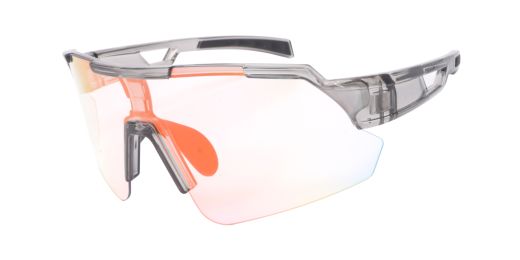 Matrix Charleson Prescription Safety Glasses - ANSI Z87.1 CertifiedSpecial Price $59.95 Regular Price $120.00
 -
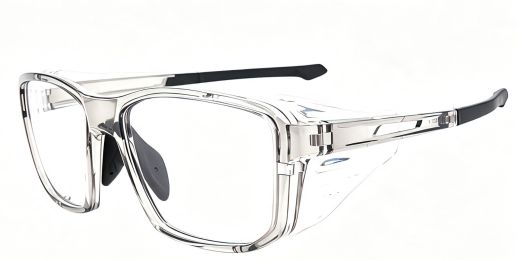 Matrix Kingston Prescription Safety Glasses Clear - ANSI Z87.1 Certified - Removable Flip Up Sun Clip For Indoor and Outdoor UseSpecial Price $19.95 Regular Price $120.00
 -
 Bluebird with Rx INSERT Safety Goggle for Sports, Motorcycle - Men's & Women's Bifocal Safety GlassesSpecial Price $9.95 Regular Price $100.00
 -

 Creston Prescription Sports Goggles Black-- Baseball, Soccer, Basketball and Football GlassesSpecial Price $39.95 Regular Price $150.00
 -
 Creston Prescription Sports Goggles Black Red -- Baseball, Soccer, Basketball and Football GlassesSpecial Price $39.95 Regular Price $150.00
 -
 Sierra Prescription Sports Goggles Black - Interchangeable temple arms and headband - Soccer, Basketball, Baseball GlassesSpecial Price $39.95 Regular Price $110.00
 -
 Sierra Prescription Sports Goggles Green - Interchangeable temple arms and headband - Soccer, Basketball, Baseball GlassesSpecial Price $39.95 Regular Price $110.00
 -
 Atlas Prescription Sports Goggles Black - Interchangeable temple arms and headband - Soccer, Basketball, Baseball GlassesSpecial Price $39.95 Regular Price $110.00
 -
 Fusion Prescription Safety Goggles W3 -- ANSI Z87.1 RatedSpecial Price $29.95 Regular Price $120.00
 -
 Fusion Rx Safety Goggles W1 -Unisex, Bifocal Safety Glasses 39 Dollar, Semi Rimless, PlasticSpecial Price $29.95 Regular Price $120.00
 -
 Spokane Rx Safety Glasses - Unisex Precription Sports & Safety Glasses for BasketballSpecial Price $39.95 Regular Price $120.00
 -
 Fusion Omaha Prescription Safety Glasses Black - - ANSI Z87.1 Certified StampedSpecial Price $39.95 Regular Price $120.00
 -
 Fusion Omaha Prescription Safety Glasses Red Clear - - ANSI Z87.1 Certified StampedSpecial Price $39.95 Regular Price $120.00
 -
 Fusion Omaha Prescription Safety Glasses Grey - - ANSI Z87.1 Certified StampedSpecial Price $39.95 Regular Price $120.00
 -
 Laredo Rx Safety Glasses - Basketball Glasses, Men's & Women's Bifocal, Polarized Safety GlassesSpecial Price $49.95 Regular Price $120.00
 -
 Hollister Prescription Safety Glasses - Ansi Z87.1 Certified with Foam SealSpecial Price $39.95 Regular Price $120.00
 -
 Matrix Marina Prescription Safety Glasses - Men & Women Motorcycle, Indutrial and Shooting GlassesSpecial Price $49.95 Regular Price $120.00
 -
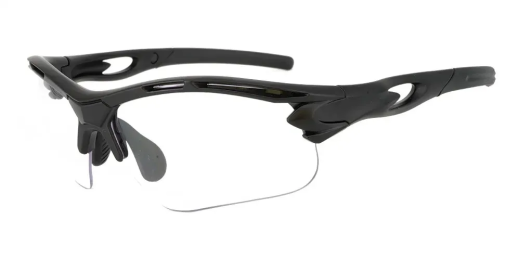 Matrix Bayshore Prescription Safety Glasses - ANSI Z87.1 Certified - Industrial, Construction or TacticalSpecial Price $49.95 Regular Price $120.00
 -
 Matrix Venice Prescription Safety Glasses - ANSI Z87.1 Certified - Industrial, Construction or TacticalSpecial Price $49.95 Regular Price $120.00
 -
 Kerman Prescription Sports Goggles -- Baseball, Soccer, Basketball and Football GlassesSpecial Price $39.95 Regular Price $150.00
 -
 Matrix Rx Safety Glasses D2 for Sports, Motorcycle, CyclingSpecial Price $49.95 Regular Price $120.00
 -
 Matrix S713G Prescription Safety Glasses ANSI Z87.1 - Industrial, Construction or TacticalSpecial Price $49.95 Regular Price $120.00
 -
 Atlas Prescription Sports Goggles Blue - Interchangeable temple arms and headband - Soccer, Basketball, Baseball GlassesSpecial Price $39.95 Regular Price $110.00
 -
 Atlas Prescription Sports Goggles Grey - Interchangeable temple arms and headband - Soccer, Basketball, Baseball GlassesSpecial Price $39.95 Regular Price $110.00
 -
 Atlas Prescription Sports Goggles White - Interchangeable temple arms and headband - Soccer, Basketball, Baseball GlassesSpecial Price $39.95 Regular Price $110.00
 -
 Atlas Prescription Sports Goggles Green - Interchangeable temple arms and headband - Soccer, Basketball, Baseball GlassesSpecial Price $39.95 Regular Price $110.00


BEST PRESCRIPTION SAFETY GOGGLES
However, the pricing is also low, which does not compromise the quality of the product. Thus, get the best yet inexpensive no-prescription or prescription safety goggles at caglasses.com. The wide range of glasses for men & women can be at work while riding or during any sports activity. CA Glasses’ safety goggles ensure grip, comfort, protection, and style that make a fashion statement. So, whatever bike you ride, these motorcycle sunglasses are all that you need.
Are you going on another adventure? Do not forget to take along best safety goggles.
WHY CHOOSE CA GLASSES?
- We deliver the superior quality prescription safety glasses online.
- All our prescription safety glasses are tried and tested and are ANSI approved.
- We use high-grade polycarbonate lens material and heavy-duty plastic for frames to meet the
- Standard of best prescription safety glasses.
- Our safety lenses are impact-resistant, chemical-resistant, anti-reflective, and scratch-proof.
- We provide the prescription safety glasses online that can be worn indoor and outdoor.
- So, what are you waiting for? Browse our latest collection now!
We promise you all this


Contact Us :
- Chat Online
- Phone: 1-855-598-2020
- Email: service@caglasses.com
Prescription Safety Goggles Related articles

Polarized vs. Non-Polarized Safety Glasses: Know the Difference
Polarized and non-polarized protection are critical considerations in separating safety glasses from the rest regarding protective eyewear. No matter what sort of activity you are involved in, whether indoors or outdoors, whether you work in a hazardous environment or need safety glasses for optimal vision, comprehending the difference between these safety classes is crucial. The expansion of shopping platforms like Safety Glasses Online has revolutionized how customers get their glasses and lenses, either polarized or non-polarized. Let us now examine the differences between the two variants, the polarized and the non-polarized safety glasses, so that a decision is made with clarity regarding protective eyewear.

Top Safety Glasses for Grinding Different Materials
Safety glasses are an indispensable part of Personal Protective Equipment (PPE) during work with any materials, particularly during grinding. Working with grinding material can involve flying debris (metal, wood, or concrete), which can cause sparks, in addition to breathing in a large number of small particles, increasing the risk of eye and breathing problems. A worker needs to have protective eyewear made especially for grinding purposes to guarantee that workers have adequate protection. This article will showcase some of the best safety glasses for grinding various materials while considering impact resistance, comfort, and visibility.

Why ANSI Z87.1 Certification Matters for Prescription Safety Glasses
In today's dynamic work environments, safety is paramount, especially when it comes to protecting one of our most valuable assets—our eyes. Whether you're working in construction, manufacturing, or any other industry with potential hazards, investing in high-quality Z87 prescription safety glasses is crucial. Among the various standards and certifications available, ANSI Z87.1 stands out as a benchmark for safety and reliability. In this comprehensive guide, we'll delve into the significance of ANSI Z87.1 certification for prescription safety glasses and why it matters for your eye protection needs.