


Safety Glasses and Protective Eyewear
Protect your eyes during workshop, construction, maintenance, manufacturing and home-improvement tasks with non-prescription safety glasses designed for dependable coverage and comfortable everyday wear. Explore lightweight frames, wraparound designs, side-protection styles and clear or tinted lenses for different tasks and working conditions.
The best safety glasses are the pair that match the specific hazard, fit securely and remain comfortable while you work. Use the available filters to compare frame size, lens colour, impact-resistance features, nose support and temple design. Always check the individual product page for its stated safety markings, protective features and intended use before ordering.
- Features Polarized Lenses Remove This Item
- Lens Single Vision Remove This Item
- Style half rim Remove This Item


Free US & CANADA Shipping

30-day Money Back Guarantee
-
4.8


ANSI & FDA Certified


-

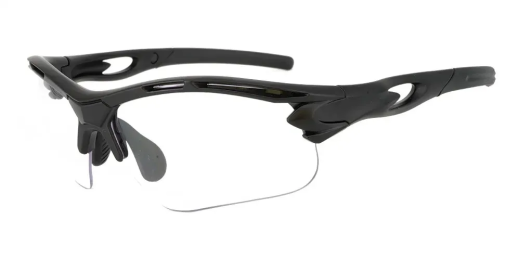 Matrix Bayshore Prescription Safety Glasses - ANSI Z87.1 Certified - Industrial, Construction or TacticalSpecial Price $49.95 Regular Price $120.00
 -

 Shasta Prescription Safety Glasses - ANSI Z87.1 Certified - Construction, Industrial and Tactical GlassesSpecial Price $49.95 Regular Price $120.00
 -
 Mckinley Prescription Safety Glasses - ANSI Z87.1 Certified - Construction, Industrial and Tactical GlassesSpecial Price $49.95 Regular Price $120.00
 -
 Albert Prescription Safety Glasses - ANSI Z87.1 Certified - Construction, Industrial and Tactical GlassesSpecial Price $49.95 Regular Price $120.00
 -
 Matrix Marina Prescription Safety Sports Sunglasses - Unisex Rx Sports Discount Sunglasses, Running, Ski and Snowboard, MotorcycleSpecial Price $49.95 Regular Price $120.00
 -
 Columbia Prescription Sports Glasses - Polarized or Transition Lenses - Jogging, Fishing Cycling or Motorcycle SunglassesSpecial Price $49.95 Regular Price $120.00
 -
 Carleton Prescription Sports Glasses - Polarized or Transition Lenses - Jogging, Fishing Cycling or Motorcycle SunglassesSpecial Price $49.95 Regular Price $120.00
 -
 Robson Prescription Sports Glasses - Polarized or Transition Lenses - Jogging, Fishing Cycling or Motorcycle SunglassesSpecial Price $49.95 Regular Price $120.00
 -
 Columbia Prescription Safety Glasses - ANSI Z87.1 Certified - Industrial, Construction and Tactical GlassesSpecial Price $49.95 Regular Price $120.00
 -
 Temple Prescription Safety Glasses - ANSI Z87.1 Certified - Industrial, Construction and Tactical GlassesSpecial Price $49.95 Regular Price $120.00
 -
 Temple Prescription Sports Glasses - Cycling, Fishing, Jogging and Baseball Sunglasses - Polarized or Transition LensesSpecial Price $49.95 Regular Price $120.00
 -
 Ovington Prescription Sports Glasses - Cycling, Fishing, Jogging and Baseball Sunglasses - Polarized or Transition LensesSpecial Price $49.95 Regular Price $120.00
 -
 Matrix Weston Prescription Sports Glasses - Non Insert Rx Polarized or Transition Lenses - Jogging, Fishing Cycling or Motorcycle SunglassesSpecial Price $69.95 Regular Price $120.00
 -
 Carleton Prescription Safety Glasses - ANSI Z87.1 Certified - Industrial, Construction and Tactical GlassesSpecial Price $49.95 Regular Price $120.00
 -
 Robson Prescription Safety Glasses - ANSI Z87.1 Certified - Industrial, Construction and Tactical GlassesSpecial Price $49.95 Regular Price $120.00
 -
 Mckinley Prescription Sports Sunglasses - Cycling, Baseball and Jogging Glasses - Tinted, Polarized or Transition LensesSpecial Price $49.95 Regular Price $120.00
 -
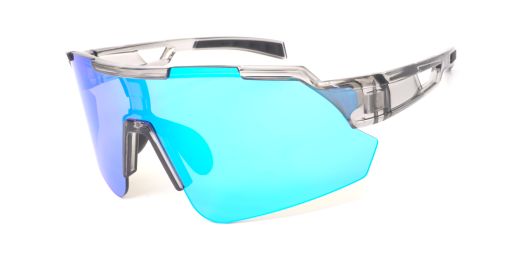 Matrix Charlston Prescription Safety and Sports Sunglasses - ANSI Z87.1 Certified - Cycling, Jogging and Motorcycle GlassesSpecial Price $59.95 Regular Price $120.00
 -
 Albert Prescription Sports Sunglasses - Cycling, Baseball and Jogging Glasses - Tinted, Polarized or Transition LensesSpecial Price $49.95 Regular Price $120.00
 -
 Ovington Prescription Safety Glasses - ANSI Z87.1 Certified - Industrial, Construction and Tactical GogglesSpecial Price $49.95 Regular Price $120.00
 -
 Shasta Prescription Sports Sunglasses - Cycling, Baseball and Jogging Glasses - Tinted, Polarized or Transition LensesSpecial Price $49.95 Regular Price $120.00
 -
 Matrix Weston Prescription Safety Glasses - ANSI Z87.1 Certified - Non Insert Rx Lenses - Construction, Industrial and Tactical GlassesSpecial Price $69.95 Regular Price $120.00


Choose the Right Safety Glasses for the Task
Safety glasses can help protect the eyes from common hazards such as flying particles, dust and debris produced during cutting, drilling, sanding, grinding and other hands-on work. A suitable pair should sit securely without slipping, provide useful side coverage and maintain a clear field of vision. Eye protection should be selected according to the hazard, working environment, fit and coverage required.
Clear lenses are practical for indoor work where natural visibility is important, while tinted lenses may be useful for suitable outdoor tasks and bright conditions. Features such as wraparound coverage, non-slip temples, adjustable nose pads, anti-fog treatments and scratch-resistant coatings can improve usability when they are specified for the selected product.
No single pair is appropriate for every exposure. Chemical splashes, fine dust, welding, lasers and other specialised hazards may require sealed goggles, a face shield or task-specific protection instead of standard safety spectacles. Review the product specifications and workplace safety requirements before use. Customers who require vision correction should shop the separate Rx safety eyewear collection.
FREQUENTLY ASKED QUESTIONS
We promise you all this


Contact Us :
- Chat Online
- Phone: 1-855-598-2020
- Email: service@caglasses.com
Safety Glasses Related articles

Polarized vs. Non-Polarized Safety Glasses: Know the Difference

Top Safety Glasses for Grinding Different Materials
