

 My Account


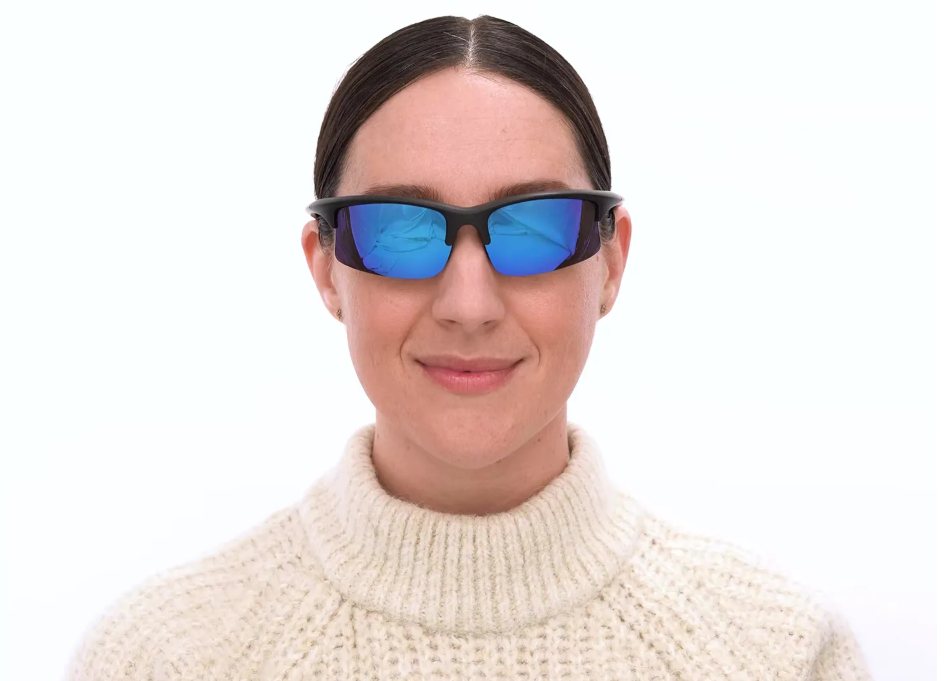
Prescription eyewear for active environments has two different jobs. RX safety glasses are built around eye protection for hazardous work, while RX sport glasses are designed around movement, comfort, and visual performance during sports and recreation.
Choosing between them starts with the environment. A construction site, workshop, cycling route, running trail, and fishing trip present different risks. The distinction helps you choose eyewear for its actual purpose.
What Are RX Safety Glasses?
RX safety glasses combine prescription vision correction with safety-oriented construction. They provide vision correction while meeting applicable protection requirements.
The key point is that prescription correction does not automatically make eyewear protective. Frame design, lenses, markings, coverage, and safety performance all matter. If the glasses will be used in a regulated workplace, the product should be checked against the requirements of that environment.
When Safety Comes First
For many workplaces, Rx safety glasses are the more appropriate starting point when physical eye hazards are the main concern. Typical considerations include:
- Flying particles or debris
- Impact risks
- Dust and airborne material
- Workplace PPE requirements
- Compatibility with helmets or other protective equipment
Fit matters. Glasses that slip or interfere with PPE can be difficult to wear throughout a shift.
What Are RX Sport Glasses?
RX sport glasses are designed around active movement and outdoor performance. Their construction may prioritize stability, comfort, field of view, lightweight materials, and coverage from wind or sunlight.
They suit activities where repeated movement makes ordinary prescription glasses inconvenient. Running, cycling, fishing, baseball, and other outdoor pursuits can benefit from a frame that stays positioned.
Sport eyewear, however, should not automatically be considered occupational safety eyewear. If an activity involves significant impact or workplace hazards, verify that the specific product has the required safety rating rather than assuming a sports-oriented frame provides equivalent protection.
When Sport Performance Matters
Sport glasses can be particularly useful when the wearer needs:
- A stable frame during movement
- Comfortable long-duration wear
- Useful peripheral vision
- Protection from wind and sunlight
- Prescription correction without ordinary frames slipping
Design depends on the activity. A runner may prioritize a lightweight, stable frame, while a cyclist may place greater emphasis on coverage and changing light conditions.
RX Safety Glasses vs RX Sport Glasses: Key Differences
Compare the categories by their primary purpose.
Consideration | RX Safety Glasses | RX Sport Glasses |
| Main purpose | Eye protection in hazardous settings | Active-use comfort and visual performance |
| Prescription correction | Yes | Yes |
| Impact protection | Depends on applicable rating | Depends on specific product |
| Workplace suitability | Depends on required standard | Not automatic |
| Movement stability | Important | Central to design |
| Outdoor glare management | Available on suitable lenses | Commonly considered |
| PPE compatibility | Often important | Usually activity-dependent |
Best starting point | Identify the hazard | Identify the activity |
Neither category is universally better. The choice depends on what the eyewear needs to accomplish.
How to Choose Based on Your Activity
For Construction and Workshop Use
Start with the hazards. If the wearer faces flying debris, impact, dust, or other workplace exposures, protective requirements should guide the purchase.
Prescription accuracy is equally important. Poor correction can make it harder to identify hazards, read measurements, or work with tools precisely. Fit should also be tested alongside helmets, hearing protection, or other PPE where applicable.
For Running and Cycling
Movement becomes the primary concern. A sports-oriented prescription frame should remain stable without pressing excessively against the nose or temples.
Lens coverage can also help reduce wind and glare. For outdoor routes, lens tint, polarization, or other lens options may be useful depending on the lighting and activity. Polarized lenses can be particularly helpful around reflective surfaces, although polarization itself is not a safety certification.
For Fishing and Outdoor Recreation
Water, sunlight, wind, and long periods of wear make comfort especially important. Prescription sports eyewear can provide a stable alternative to ordinary glasses while supporting clearer vision during outdoor activity.
Glare management is another consideration. Understanding the benefits of anti-glare and polarized safety sunglasses can help when comparing lens options for bright outdoor environments.
Can One Pair Do Both Jobs?
Sometimes, but the answer depends on the exact product and use case. Some prescription sports sunglasses incorporate safety-oriented features, while some safety glasses are designed for active outdoor use.
A sports appearance does not mean certified protection. Always verify the product’s markings and specifications when protection is required. Similarly, a safety-rated frame may not offer the fit, weight, coverage, or lens performance that a particular sport demands.
A practical rule is: choose for the highest-risk requirement first. If workplace impact protection is essential, start with safety specifications. If the activity is recreational and the main challenge is movement, comfort, and outdoor vision, sports design may be the better starting point.
A Practical Buying Checklist
Before ordering prescription eyewear, review these factors:
- Prescription: Is your current prescription accurate and suitable for the intended lens?
- Environment: Where will the glasses actually be worn?
- Hazards: Is there an impact, dust, debris, or other protection requirement?
- Movement: Will the frame stay stable while running, cycling, or working?
- Coverage: Does the design provide appropriate protection from wind, glare, or particles?
- Lighting: Will you need clear, tinted, polarized, or adaptive lenses?
- PPE: Will the glasses need to work with a helmet, hearing protection, or other equipment?
- Wear time: Can you comfortably keep them on for several hours?
Judge eyewear by how well it matches actual conditions, not marketing language. A useful feature is only valuable when it supports the demands of the activity.
Why CA Glasses Is a Practical Choice
CA Glasses provides prescription eyewear for both safety and sports applications, giving prescription wearers options based on their working environment or preferred activity. This makes it easier to consider correction, frame design, lens requirements, and intended use together.
The goal is not one frame that claims to do everything. Choose eyewear that meets the task’s requirements and remains comfortable for consistent use.
Conclusion
RX safety glasses and RX sport glasses both provide prescription correction, but their priorities differ. Safety eyewear starts with protection against defined hazards, while sports eyewear starts with movement, comfort, coverage, and outdoor visual performance.
Before buying, identify the environment, activity, hazards, prescription, and lighting. That simple process makes it easier to choose eyewear that performs its intended job rather than relying on appearance or broad product labels.