

How To Choose Prescription Cycling Glasses?

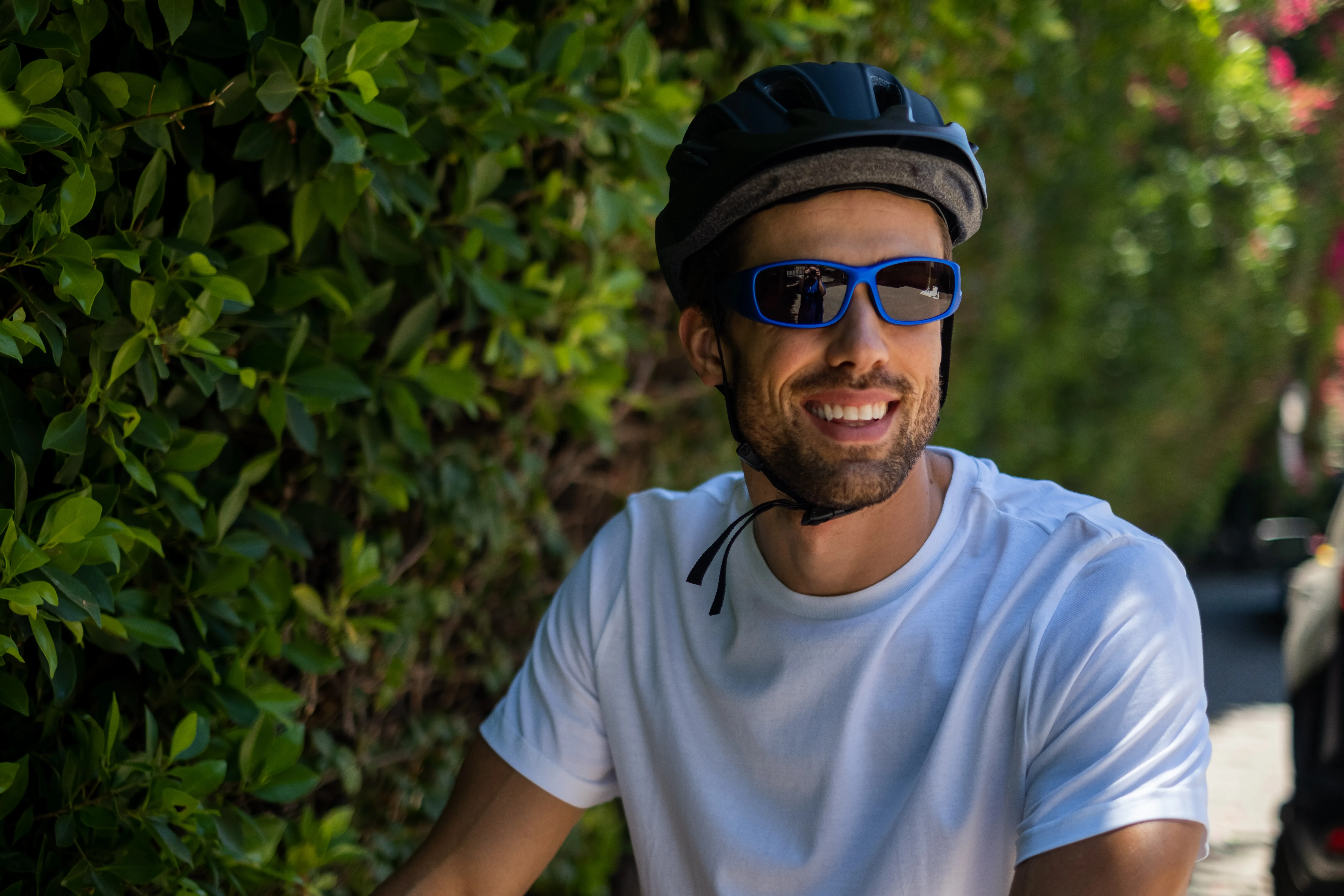
Cycling isn't just about the bike. Your gear plays a major role in your performance, comfort, and safety. For cyclists who wear corrective lenses, prescription cycling glasses aren't optional. They're essential. But with so many options, how do you know you're making the right choice?
This guide breaks down exactly how to choose prescription cycling glasses based on fit, function, and clarity so you can ride with confidence.
1. Understand Why Prescription Cycling Glasses Matter
Standard eyeglasses aren't made for motion, wind resistance, or changing light conditions. Prescription cycling glasses solve all those issues in one product:
- They provide sharp, unobstructed vision.
- They shield your eyes from UV rays, debris, wind, and insects.
- They fit securely during high-speed movement.
Wearing non-specialized glasses while cycling can lead to eye strain, dry eyes, or worse—an accident due to poor visibility.
2. Start With Your Prescription Details
Before you even start looking at frames, make sure you have an updated prescription from your optometrist. You'll need this to ensure your lenses are manufactured correctly.
Keep in mind:
- Not all prescriptions are suitable for every lens curve. If you have a strong prescription, you may need a flatter lens or custom-made insert.
- Some cycling glasses use interchangeable inserts for prescriptions, while others have fully integrated lenses.
Understanding your prescription strength and how it translates into lens options is a key part of learning how to choose prescription cycling glasses that actually work for you.
3. Choose the Right Lens Type
Lens type impacts both your comfort and safety. Here are your main options:
-
Single Vision vs. Progressive Lenses
- Single vision: These have one consistent correction throughout the lens. Best for those who need correction for either distance or reading, not both.
- Progressive lenses: Designed for riders who need multiple corrections in one lens, like distance and reading.
For cycling, single-vision lenses are typically preferred, as they offer a wider field of view with no distortions at the edges.
-
Photochromic (Transition) Lenses
These lenses darken in sunlight and lighten indoors. They're ideal for riders who cycle during changing light conditions (e.g., dawn or dusk). They reduce the need to carry multiple pairs of glasses.
-
Polarized Lenses
While great at cutting glare from reflective surfaces, polarized lenses can sometimes distort digital screens (like cycling computers). Consider your needs carefully.
-
Tinted Lenses
Fixed-tint lenses are a go-to for riders who prefer consistency. Amber, yellow, or brown tints enhance contrast, while gray tints reduce brightness without color distortion.
4. Prioritize Fit and Frame Design
Even the best lenses won’t matter if your glasses don’t fit correctly. Ill-fitting glasses can slip, fog up, or create blind spots.
What to Look For:
- Wraparound design: Encloses your field of vision and adds side protection from wind and grit.
- Adjustable nose pads and temple arms: Help tailor the fit for your face shape, reducing pressure and increasing grip.
- Ventilation systems: Allow airflow between the lens and your face to prevent fogging during intense efforts.
Frames should feel secure but not tight. They should remain stable on your face even when you look down, sweat, or ride over rough terrain.
5. Consider Lens Coverage and Shape
Cycling glasses aren't designed like your everyday eyewear. Their oversized, contoured shapes serve a purpose.
Why Lens Size Matters:
- Larger lenses provide more complete protection from wind, dust, and sunlight.
- They enhance peripheral vision—which is vital when navigating traffic, group rides, or technical trails.
- The broader surface reduces dry-eye symptoms by sheltering the tear film from constant air exposure.
Look for rimless or semi-rimless options if you want an unobstructed lower field of view, ideal for looking down at your bike computer or gear setup.
6. Don’t Forget About Lens Material
Lens material affects clarity, durability, and overall performance. These are your top choices:
- Polycarbonate: The most popular option—it’s lightweight, shatter-resistant, and offers decent optical quality. Ideal for everyday cyclists.
- Trivex: A step up in clarity with the same impact resistance. Trivex lenses are lighter and offer better visual precision.
Both materials offer 100% UV protection and are excellent for sports use. Avoid glass lenses—they’re heavy and prone to shattering.
7. Check Compatibility With Your Helmet
Your prescription cycling glasses should integrate well with your helmet. The combination should feel cohesive, not conflicting.
Look for:
- Frames that sit comfortably under your helmet without pressing into your temples.
- Arms that don’t interfere with retention systems or padding.
- Enough clearance to allow for adjustments without knocking the glasses out of place.
It’s a good idea to bring your helmet when trying on cycling glasses. Ensuring proper compatibility can save you from discomfort or distractions on the road.
8. Mind the Weight
Eyewear weight becomes noticeable on long rides. A few extra grams can cause pressure on the nose or fatigue around the ears after hours in the saddle.
Choose lightweight materials like:
- Nylon: Commonly used in sports eyewear for its flexibility and durability.
- Carbon-infused plastics: Ultralight, rigid, and resilient against wear and tear.
A lighter pair of glasses won’t just be more comfortable—they’ll stay in place better and reduce bounce during bumpy rides.
9. Choose a Trusted Source
When you’re dealing with prescription lenses and performance gear, precision matters. Not all eyewear retailers are equipped to handle sports-specific prescriptions. That’s why it’s critical to buy from a supplier that understands both optics and the demands of cycling.
A reliable provider will:
- Offer a wide selection of prescription-ready cycling frames.
- Customize lenses to your exact specifications.
- Provide support if adjustments or refinements are needed.
Final Thoughts: Where To Get Prescription Cycling Glasses That Actually Work
Getting the right pair of prescription cycling glasses isn’t about picking a frame that looks fast. It’s about combining safety, performance, and visual clarity into one tool that improves your ride.
If you want eyewear that’s made for cyclists and built around your prescription, CA Glasses is the place to start. They specialize in prescription sports glasses and understand what riders need—from proper lens curves to anti-fog coatings to frames that stay put when you're in the drops.
Explore CA Glasses today to find your ideal pair of prescription cycling sunglasses.